LeBron James indicated only one barrier could prevent him from rejoining the Cavaliers if he leaves the Lakers, as his future with LA continues to generate intense NBA speculation.

LeBron James’s career has been marked by remarkable achievements, unparalleled longevity, and a series of pivotal decisions that have shaped the NBA landscape over the past two decades. As one of the most influential players of his era, his journey has taken him from Akron, Ohio, to the heights of basketball stardom across three franchises—Miami Heat, Cleveland Cavaliers, and Los Angeles Lakers. Now, as he continues to defy age and expectations, speculation about his future remains a dominant narrative in NBA circles, with particular focus on whether he might return to the Cleveland Cavaliers should circumstances lead him away from the Lakers.
The Emotional Ties to Cleveland
LeBron’s initial foray into the NBA was deeply rooted in his hometown of Akron, Ohio. Drafted as the No. 1 overall pick in 2003 by the Cavaliers, he quickly became the franchise’s cornerstone, promising to bring a championship to his home state. His first stint in Cleveland, lasting from 2003 to 2010, was marked by awe-inspiring performances and a burning desire to deliver a title to a city hungry for success. Despite his efforts, Cleveland fell short, culminating in heartbreak after losing the 2007 NBA Finals and enduring playoff disappointments.
LeBron’s decision to leave Cleveland for Miami in 2010, in a highly publicized free agency move, was viewed by many as a betrayal but also as a strategic move to chase championships. His subsequent success in Miami and later return to Cleveland in 2014, where he led the Cavaliers to their first-ever NBA championship in 2016, solidified his legacy as a hometown hero who fulfilled his promise. That 2016 title, ending a 52-year championship drought for Cleveland, remains one of the most iconic moments in NBA history.
The Lakers Era and the Current Quandary
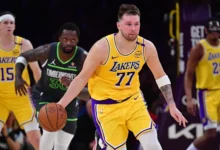

LeBron’s move to the Los Angeles Lakers in 2018 marked a new chapter, aligning his legacy with another storied franchise. While his time with the Lakers has seen ups and downs—including injuries, roster changes, and a championship victory in 2020—the Lakers’ recent seasons have been challenging. As the team navigates roster rebuilds and management decisions, LeBron’s future with LA has become a hot topic.
Despite his age—now 39, soon to be 40—LeBron has demonstrated extraordinary durability and a desire to extend his playing career. His performance remains elite, and he continues to be a central figure in the Lakers’ plans. But, as with every season, questions loom: How long will he continue? Will he chase more titles with LA? Or is his time in Hollywood nearing its end?
The Barrier to Rejoining Cleveland
Amid these questions, LeBron’s comments about a potential return to Cleveland have garnered significant attention. Recently, he indicated that there is only one obstacle that could prevent him from rejoining the Cavaliers if he decides to leave the Lakers: the willingness of the Cavaliers organization and its management to welcome him back.
This statement underscores the reality that LeBron’s return isn’t just about his personal desire but also hinges on the Cavaliers’ openness to reintegration. Unlike other players who might demand certain conditions or leverage their star power to influence team decisions, LeBron’s approach appears rooted in mutual respect and a desire for harmony. His statement suggests that, should circumstances align, he is open to returning, but only if the organization is receptive.
Why Would LeBron Consider Returning to Cleveland?
Several factors could motivate LeBron’s potential return:
Fulfillment of a Personal Promise: LeBron has spoken openly about his desire to deliver another championship to Cleveland. His 2016 triumph was historic, but some believe he still harbors unfinished business in his hometown.
Legacy and Cultural Impact: Returning to Cleveland and winning another title there could cement his legacy as the player who brought multiple championships to different franchises, including his hometown.
Emotional Fulfillment: LeBron’s roots are in Ohio. The city and its fans have been an integral part of his identity. A return could be driven by a desire for closure or to give back to the community that shaped him.
Team Fit and Role: As he approaches the twilight of his career, LeBron might seek a more prominent leadership role in a familiar environment, where he can mentor younger players and shape the franchise’s future.
The One Obstacle: Organizational Willingness
LeBron’s statement about only one obstacle—the willingness of the Cavaliers—is revealing. It suggests that he’s not making demands or seeking special treatment but recognizes that the team’s culture, management, and roster situation are critical factors.
The Cavaliers, under owner Dan Gilbert and general manager Koby Altman, have been rebuilding since LeBron’s departure in 2018. They’ve focused on developing young talent like Darius Garland and Evan Mobley, aiming for sustained success rather than quick fixes. Whether they are willing to bring back a player nearing his 40s, with a hefty contract and a significant influence on team dynamics, remains uncertain.
If the Cavaliers are in a rebuilding phase, they might prefer to develop their young core without the added pressure of integrating a veteran superstar. Conversely, if they see LeBron’s return as a way to accelerate their championship window and mentor their young stars, they might be open to negotiations.
The Future of LeBron with the Lakers
LeBron’s future with the Lakers is equally complex. The team’s recent struggles, roster instability, and the challenge of competing in a highly competitive Western Conference have prompted speculation about whether he’ll stay long-term or seek a new environment.
LeBron has hinted at the possibility of playing beyond his current contract, which runs through the 2024-2025 season. His focus on legacy, influence, and the desire to win more titles could motivate him to consider future moves, including a return to Cleveland, or even a transition into a player-coach or front-office role.
Moreover, LeBron’s business ventures, philanthropic efforts, and desire for long-term impact suggest that his choices aren’t solely driven by basketball but by a broader vision of his legacy.
Is a Return to Cleveland Inevitable?
While LeBron’s openness to returning to Cleveland is notable, it’s unlikely to be an immediate move. Several factors influence this potential:
Team Readiness: Cleveland needs to be in a position where acquiring LeBron makes strategic sense—either to contend for a title or to fulfill a shared vision.
LeBron’s Age and Performance: At nearly 40, his physical condition and desire to compete at the highest level will significantly influence his decision.
Team Culture and Management: The Cavaliers’ willingness to embrace LeBron’s leadership style and integrate him into their future plans is crucial.
External Factors: The NBA landscape, trade considerations, salary cap implications, and LeBron’s own personal goals will all play roles.
A Chapter Yet to Be Written
LeBron James’s career remains an extraordinary story of perseverance, leadership, and influence. His comments about only one obstacle preventing a return to Cleveland highlight that, despite his current commitments with the Lakers, his roots and aspirations remain intertwined with his hometown.
As the NBA season unfolds, fans and analysts will watch closely to see how his future shapes up. Whether he stays with Los Angeles, makes a dramatic return to Cleveland, or explores other options, one thing is certain: LeBron’s legacy continues to evolve, and his decisions will resonate for years to come.
His journey is far from over, and the possibility of a full-circle moment—returning home to bring another championship to Cleveland—remains one of the most compelling narratives in modern basketball. For now, the only certainty is that LeBron’s influence extends beyond the court, inspiring generations and shaping the future of the sport.