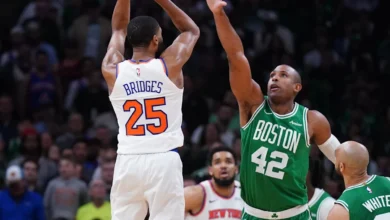
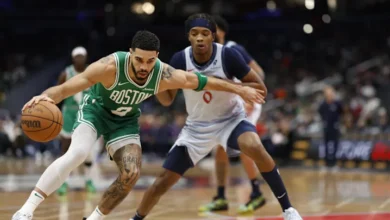
The Boston Celtics have encountered notable challenges this offseason, including the risks associated with paying hefty luxury tax, prompting trade proposals like swapping stars with the Charlotte Hornets.

The Boston Celtics, one of the most storied franchises in NBA history, have long been recognized for their competitive spirit, deep roster, and championship pedigree. However, recent offseason developments have highlighted some significant challenges, particularly related to financial management and roster flexibility. Among these challenges, the looming threat of incurring hefty luxury tax penalties has driven the team’s front office to explore innovative solutions, including a highly intriguing trade proposal involving star players with the Charlotte Hornets. This analysis delves into the complexity of these issues, the motivations behind potential star swaps, and the broader implications for the Celtics’ future.
The Financial Landscape: Luxury Tax and Its Implications
In the NBA, teams are subject to salary cap restrictions, designed to promote parity and control spending. However, teams exceeding the salary cap are subjected to luxury tax penalties—additional financial burdens intended to discourage excessive payrolls. The Boston Celtics, like many successful franchises, have maintained competitive rosters often hovering near or above the luxury tax threshold, especially after recent extensions and signings.
This offseason, the Celtics faced a pivotal decision: balancing their desire to maintain a contending roster with the financial realities of luxury tax penalties. Paying significant luxury tax can cost teams millions of dollars annually, impacting the franchise’s financial health and potentially limiting flexibility for future moves. For the Celtics, the threat of escalating luxury tax payments became a pressing concern as they evaluated their roster composition.
Roster Composition and Financial Strain
The Celtics’ roster, featuring stars like Jayson Tatum and Jaylen Brown, alongside key role players and veteran signings, has contributed to a high payroll. While this core has positioned Boston as a perennial playoff contender, maintaining such a roster often involves significant luxury tax payments. As the cap continues to rise annually, so do the associated penalties, and for a team aiming to optimize both competitive success and financial sustainability, this presents a conundrum.
To mitigate these risks, the Celtics’ front office considered various strategies—one of which is engaging in impactful trades that can alleviate salary obligations or reshape the roster to better align with the team’s long-term financial plans. Among these strategies, star swaps with other teams—particularly those willing to take on salary or exchange assets—have gained prominence as a potential solution.
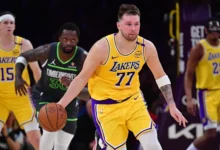

The Star Swap Proposal: Celtics and Hornets
One of the most discussed hypothetical trades involves swapping star players between the Celtics and the Charlotte Hornets. While specifics may vary depending on trade negotiations, the concept revolves around Boston trading a high-salary star—such as Jayson Tatum or Jaylen Brown—in exchange for a comparable star or high-impact player from Charlotte, potentially alongside draft assets or additional salary considerations.
Why consider a star swap?
- Financial Relief: Trading a high-salary star can significantly reduce the team’s payroll, lowering luxury tax liabilities.
- Roster Flexibility: The trade can open up salary cap space, allowing the Celtics to reallocate funds toward role players or future assets.
- Rebuilding or Recalibrating: Depending on the players involved, the trade may signal a shift towards a different team identity—either emphasizing youth, defense, or a different style of play.
Why Charlotte?
The Hornets, often in a rebuilding phase, may be open to acquiring star players to accelerate their competitive timeline or add veteran leadership. They might also be motivated to clear cap space or rebuild around younger assets. The trade could be mutually beneficial, with Charlotte acquiring a star to contend sooner, while the Celtics reduce their luxury tax burden.
Potential Trade Scenarios
While hypothetical, several trade scenarios could be considered:
- Celtics’ Star (e.g., Jayson Tatum or Jaylen Brown) for Charlotte’s young star (e.g., LaMelo Ball)
This scenario involves swapping a proven superstar for a promising young talent with star potential. Charlotte might see value in acquiring a player with established winning experience, while Boston could target a younger, cheaper asset to rebuild around or develop. - Celtics’ All-Star for Charlotte’s veteran or depth assets
Here, the Celtics might trade an all-star for multiple players or draft picks that fit better within their salary structure, providing roster flexibility and future assets. - Salary-matching trades involving multiple players
Sometimes, a star swap may involve additional role players or draft compensation to balance salaries and assets, making the deal more attractive for both sides.
Broader Implications for the Celtics
Engaging in a star swap with the Hornets or any other team signifies a willingness by the Celtics to prioritize financial sustainability alongside competitive aspirations. It reflects a strategic shift—balancing the desire to contend now with the realities of the NBA’s financial landscape.
Such a move could have several impacts:
- Short-term competitiveness: Trading away a star might weaken the team’s immediate championship chances, but it could open up cap space to sign complementary pieces or develop younger players.
- Long-term planning: Acquiring assets like draft picks or promising young players aligns with a rebuilding or retooling strategy, ensuring sustained competitiveness over multiple seasons.
- Market perception: Bold trades can energize fan bases and signal a franchise willing to adapt and innovate, though they also carry risks if the team’s performance declines.
Challenges and Risks
While the star swap proposal offers appealing benefits, it also comes with notable risks:
- On-court performance: Trading a star could lead to a dip in competitiveness, especially if replacements or younger assets don’t perform at the expected level.
- Player chemistry: Disrupting established team chemistry can lead to transitional struggles.
- Fan and organizational sentiment: Fans often have deep attachments to star players, and trading them can generate controversy or dissatisfaction.
- Trade valuation: Accurately valuing assets and ensuring mutually beneficial terms is complex, often involving negotiations that can fall through.
The Bigger Picture: Strategic Flexibility in the NBA
The Celtics’ consideration of star swaps and roster restructuring underscores a broader trend in the NBA—teams increasingly prioritize financial flexibility, strategic asset management, and long-term planning. The league’s salary cap system incentivizes creative solutions, including star trades, to build competitive teams without incurring unsustainable costs.
Moreover, the evolving landscape of player movement, superstars seeking trades, and a more dynamic free agency environment mean that teams like Boston must stay adaptable. The potential star swap with the Hornets exemplifies this approach—aiming to optimize financial health while remaining competitive.
A Calculated Gamble or a Strategic Masterstroke?
The proposed star swap between the Boston Celtics and Charlotte Hornets embodies the delicate balance NBA teams must strike between competitive success and financial sustainability. While it involves inherent risks, it also offers a strategic pathway to navigate the challenges of luxury tax penalties and roster optimization.
For the Celtics, this offseason represents a pivotal moment. Whether they pursue such a trade or explore other avenues, their decision will reflect their broader philosophy: staying competitive while managing the financial realities of modern NBA management. As the trade deadline approaches and the season unfolds, all eyes will be on Boston’s front office to see if bold moves like star swaps become a reality, shaping the future trajectory of this storied franchise.